Navigating the Realities of Impaired Driving in Toronto: Laws, Consequences, and What It Really Means
Impaired driving remains a serious and often misunderstood issue on Toronto’s roads. Every year, people from all backgrounds—students, professionals, parents—find themselves facing charges that can have lasting consequences. Sometimes it's the result of a clear mistake, other times it's a misunderstanding of the law or how substances like alcohol, cannabis, or even prescription medications affect the body.
What many don’t realize is that impairment doesn’t always look or feel obvious. You don’t need to be visibly drunk to be considered impaired. In fact, just a couple of drinks, the residual effects of cannabis, or medication taken as prescribed can be enough to trigger a police stop—and potentially a criminal charge. With Ontario’s strict impaired driving laws and the growing use of mandatory roadside testing, these situations are becoming more common.
This blog isn’t here to judge. It’s here to provide clarity for those who need it—whether you’re facing charges yourself, supporting someone who is, or simply trying to stay informed. We’ll walk through what impaired driving really means in legal terms, what officers look for during a stop, what happens after a charge, and what kinds of consequences you might be facing.
Understanding the law and your rights is more than just helpful—it’s essential. Being informed can make a real difference, whether you're navigating the legal system or trying to make safer choices on the road. No matter your situation, this guide is here to help you move forward with knowledge and confidence.
Understanding What Impaired Driving Means in Toronto

Impaired driving might seem like a straightforward concept—most people associate it with being obviously drunk or visibly intoxicated behind the wheel. But under Canadian and Ontario law, the definition is much broader, and many drivers don’t realize how easily they can find themselves facing serious consequences.
At its core, impaired driving occurs when alcohol, drugs, or a combination of substances impair your physical or mental ability to safely operate a vehicle. It doesn’t require you to be stumbling or incoherent. In fact, you can be charged based on how you’re driving or how you appear—things like slurred speech, delayed reaction time, bloodshot eyes, or erratic behavior.
Police officers are trained to identify these signs, and a charge can be laid even if your blood alcohol concentration (BAC) is below 0.08, as long as there is evidence of impairment. However, in most cases, criminal charges for impairment rely on either observed driving behaviour or a failed breath test (0.08 or higher).
What the Law Says About Alcohol Impairment
Under the Criminal Code of Canada, you are considered criminally impaired if your BAC is 0.08 or higher—that’s 80 milligrams of alcohol in 100 millilitres of blood. Being at or over this level can lead to criminal charges, licence suspension, fines, and even jail time, especially if it’s not your first offence.
However, Ontario takes a stricter approach through its provincial laws. If your BAC falls between 0.05 and 0.079, you enter what’s called the “warn range.” While this range doesn’t trigger criminal charges on its own, it can still result in immediate roadside consequences such as:
- A 3-day licence suspension (longer for repeat occurrences)
- Administrative monetary penalties (not technically "fines" under the Highway Traffic Act)
- Mandatory education or treatment programs after repeated offences
For novice drivers (G1, G2), drivers under 22, or commercial drivers, any detectable alcohol or drug in your system can result in immediate penalties—even if you're below 0.05. These zero-tolerance rules reflect Ontario’s efforts to reduce risk among vulnerable or high-risk groups.
With regular roadside checks and RIDE programs in effect throughout Toronto, these rules are actively enforced. It’s not just about knowing your limit—it’s about knowing that any alcohol or drug use can carry consequences depending on your licence type, age, and prior driving history.
The Legal Landscape: Toronto’s Impaired Driving Laws

When it comes to impaired driving in Toronto, the legal framework is shaped by a combination of federal criminal law and provincial regulations. These laws work together to define what counts as impaired driving, how it’s enforced, and what happens if you're charged. Understanding this layered approach is key to knowing your rights—and your risks—on the road.
Federal Law: The Criminal Code of Canada
At the federal level, impaired driving is considered a criminal offence under the Criminal Code of Canada. The law prohibits several key actions, including:
- Operating a motor vehicle while your ability to drive is impaired by alcohol, drugs, or a combination of the two.
- Driving with a blood alcohol concentration (BAC) of 0.08 or higher (equivalent to 80 milligrams of alcohol in 100 millilitres of blood).
- Having illegal levels of specific drugs in your system while driving.
- Refusing to comply with a lawful request from police for a breath test, an approved roadside screening, or a bodily fluid sample.
Police officers don’t need to wait until you cause an accident to charge you. If you show signs of impairment—whether through driving behaviour, physical appearance, or performance on a roadside test—you can face criminal charges on the spot.
It's also worth noting that Canada has established per se limits for certain drugs (including THC and cocaine), meaning that just exceeding the set limit in your bloodstream—regardless of how impaired you feel—can be grounds for a charge.
Ontario Law: Provincial Penalties and Enforcement
While the federal law handles criminal charges, Ontario’s Highway Traffic Act (HTA) and related regulations take enforcement a step further. The province applies administrative penalties that are immediate and often automatic, even if you’re not facing a criminal conviction.
For example:
- If your BAC is in the “warn range” (between 0.05 and 0.079), police can issue immediate roadside penalties like a licence suspension, an administrative monetary penalty, and in some cases, referral to an education or treatment program.
- Zero-tolerance rules apply to novice drivers (G1, G2), drivers under 21, and commercial drivers—meaning that any amount of alcohol or drugs can lead to penalties.
- Refusing a breath test doesn’t protect you. In fact, it typically results in automatic licence suspension under the HTA and can lead to criminal charges for refusal under the Criminal Code.
These laws aren’t just technicalities—they’re enforced daily through Toronto’s frequent roadside stops, RIDE programs, and targeted traffic patrols. Police are legally permitted to request a roadside breath sample without needing any prior suspicion that a driver is impaired.
Criminal vs. Administrative: What's the Difference?
One important distinction is between criminal penalties (handled by the courts) and administrative penalties (handled by the Ministry of Transportation, Ontario).
- A permanent criminal record
- Heavy fines
- Jail time, depending on the severity or repeat offences
- Vehicle impoundment and longer licence suspensions
Administrative penalties, while not criminal, can still significantly affect your life. They may include:
- Immediate licence suspensions (starting at 3 days)
- Monetary penalties
- Mandatory education or treatment programs
- Ignition interlock requirements
What’s more, repeat violations often lead to escalating penalties—both criminal and administrative.
In short, impaired driving laws in Toronto are more than just a set of rules—they’re a tightly coordinated system designed to prevent harm before it happens. Whether you’re pulled over for a warning-level offence or charged criminally, the consequences are real, and they begin the moment you’re stopped. Knowing how the law works—and how it’s enforced—is the first step toward staying on the right side of it.
Different Types of Impaired Driving Charges
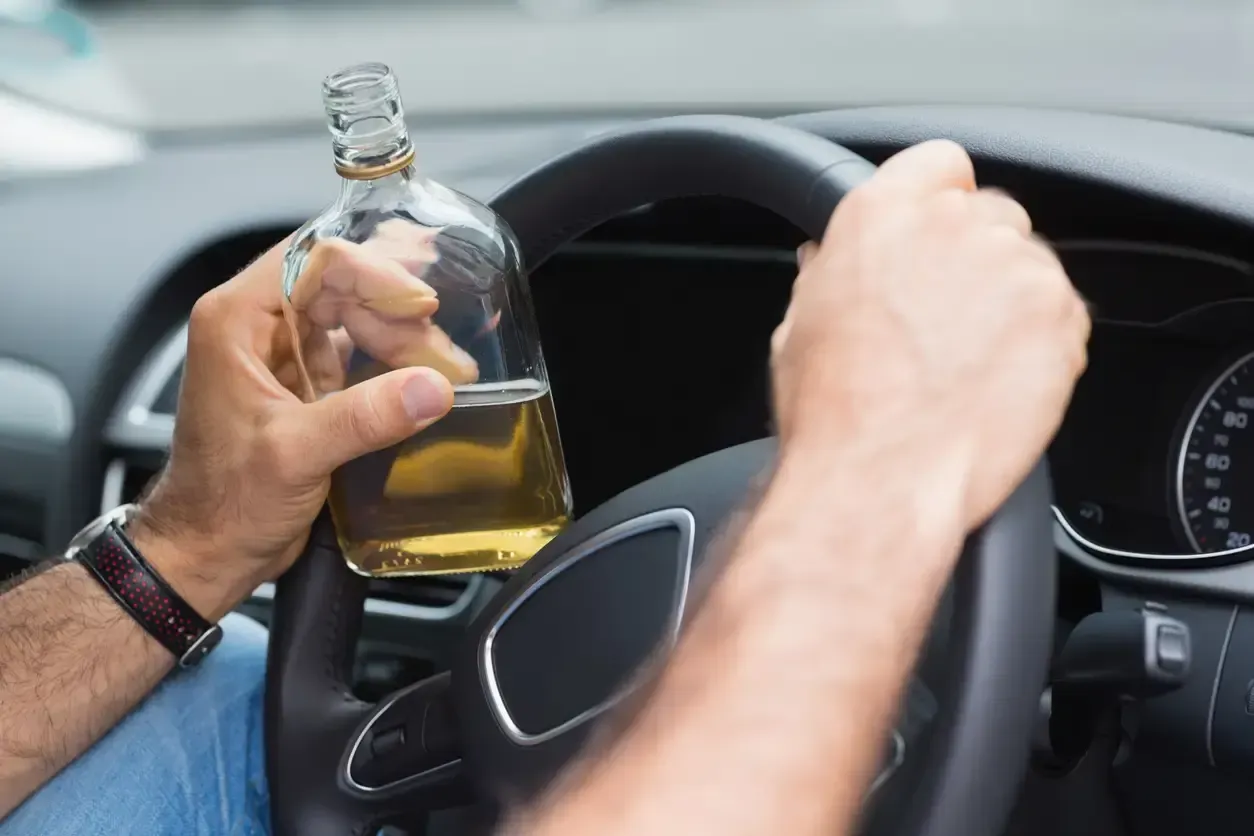
If you’ve been charged with impaired driving in Toronto, it’s important to understand that not all charges are the same—and neither are the consequences. To guide you through this complex landscape, let's explore the most common impaired driving charges below:
Impaired Driving by Alcohol or Drugs
This is the most recognized form of impaired driving—it involves operating a vehicle while your faculties are compromised by alcohol, drugs, or a combination of both.
It's worth noting that a charge isn't solely reliant on your blood alcohol concentration (BAC). Even with a BAC below the legal limit, you could face charges if your driving seems impaired. The same applies to drug impairment, including cannabis, prescription medication, or illegal substances.
Over 80 (Over .08) Charge
This specific charge relates directly to your blood alcohol concentration. If you exceed the limit of 80 milligrams of alcohol per 100 millilitres of blood—typically measured with a breathalyzer—you can be charged, even if your driving didn’t seem obviously impaired.
This charge focuses on the numbers rather than observable behaviour, which makes the accuracy of testing procedures and equipment calibration especially important when building a defence.
Refusal or Failure to Comply with a Breath, Blood, or Drug Demand
Refusing to provide breath, blood, or drug samples when lawfully requested by the police carries the same criminal penalties as failing a test.
This also includes failing to deliver a suitable sample or delaying without reasonable cause. Penalties for refusal are on par with those for impaired driving, and these cases often require a thorough examination of whether the demand met legal standards.
Care or Control While Impaired
It's essential to underscore that you don't need to be actually driving to face a charge. Simply being in care or control of a vehicle—such as sitting in the driver’s seat with the keys within reach—can be enough.
Many find this charge surprising, especially those who intended to "sleep it off" in their car. The courts focus on potential risk, not intent, so these cases require careful legal handling.
Driving Under the Influence of Drugs (DUID)
With the legalization of cannabis, drug-impaired driving charges have become more common and more complicated. Police may use Drug Recognition Experts (DREs) or oral fluid screening devices (oral swabs) to assess impairment.
Unlike alcohol, there's no universally accepted numerical threshold for many drugs (including THC), so cases often rely heavily on officer observations and testing procedures—both of which can be challenged in court.
Combined Alcohol and Drug Impairment
When both alcohol and drugs are involved, the resulting impairment can be more substantial. The prosecution will often argue that the combined effects significantly increased the risk to public safety.
Defending against such charges involves analyzing how the substances interact, evaluating the validity of test results, and ensuring that your rights were not infringed upon during the legal process.
No matter which type of impaired driving charge you’re facing, acting quickly and retaining experienced legal representation is crucial. The penalties can be life-altering—from losing your licence to ending up with a permanent criminal record.
Possible Consequences of Impaired Driving in Toronto

When discussing impaired driving in Toronto, understanding the consequences is essential. This issue goes beyond simply breaking the law—it’s about protecting lives and taking responsibility on the road. The legal and administrative penalties for impaired driving are severe, and being aware of them can help prevent future mistakes and keep you and others safe.
Criminal Record
Getting a criminal record from impaired driving under the Criminal Code of Canada is no small thing. It sticks with you and can impact many aspects of life in Toronto. Finding a job might become tougher, as employers could be wary of hiring someone with a record. Traveling is another hurdle, especially crossing borders, as some countries are strict about letting in folks with a criminal past. In some cases, even your immigration status might be affected if you're not a citizen.
Fines
In Toronto, the fine for impaired driving starts at a minimum of $1,000 upon conviction. That's just the beginning, especially if there are aggravating factors involved, like excessive speed or dangerous driving conditions. Fines can quickly escalate and put a dent in your finances. This financial burden is a sobering reminder of why safe driving practices are crucial. The cost isn't just monetary—it's a costly lesson that impacts your life.
Jail Time
There's a real risk of ending up in jail if you're caught driving impaired, especially if you've done it before or caused injury or death. For a second offence, the minimum jail sentence is 30 days. For a third offence, the minimum increases to 120 days. The possibility of jail time isn't just a personal setback—it impacts your family and community. These consequences are there to stress the importance of responsible driving.
Driving Prohibition
Losing your driving privileges is another consequence worth noting. If you are caught driving impaired, a court can prohibit you from driving, typically for at least one year or longer. This can disrupt your daily life significantly, making it difficult to commute, run errands, or maintain employment. The driving prohibition is in place to keep the roads safer for everyone and serves as a wake-up call to deter future offences.
Vehicle Impoundment
If impaired driving becomes a habit or if you refuse to comply with regulations, your vehicle might be impounded. This means your car is taken away temporarily, typically for 7 days on a first offence, longer for repeat offences or refusals. It’s a strong measure to prevent further offences and ensure public safety. Being without a vehicle can disrupt every aspect of daily life, from commuting to work to taking care of family obligations.
Immediate Licence Suspension
Under the Highway Traffic Act, if you're caught in the warn range or criminal-level impaired, your licence is suspended immediately. For a warn range, it's a minimum 3-day suspension; for a criminal level, you're looking at a minimum 90-day suspension. This suspension means you can't drive right off the bat, affecting your mobility and daily activities. It's meant to serve as an immediate consequence to deter repeated actions and protect public safety on Toronto's roads.
Ignition Interlock Requirement
An ignition interlock system is another layer of consequence that Toronto imposes. After getting your licence back, you may have to install a breath-testing device in your vehicle. You’ll need to pass the breath test before you can start your car. This requirement is a real-time reminder of past actions, helping prevent repeat offences and emphasizing responsible driving habits. It's there to reassure public safety by making sure impaired drivers think before potentially endangering lives again.
Mandatory Education or Treatment Programs
To reclaim your licence, you may need to go through mandatory education or treatment programs like “Back on Track”. These programs are more than just formalities; they aim to address the root causes and educate about the risks involved with impaired driving. Going through this helps reinforce safer driving habits for the future. It’s an opportunity to correct behaviours and understand the broader implications of impaired driving.
The Real-Life Impact of Impaired Driving in Toronto: Beyond the Law

The impact of impaired driving goes well beyond legal punishments. Although courts may impose fines, licence suspensions, or jail time, the true consequences often affect many areas of a person’s life long after the legal case is resolved.
Insurance Implications
A conviction for impaired driving can dramatically affect your insurance rates. Most drivers are placed in a “high-risk” category, which can double or even triple annual premiums. In some cases, insurance providers may cancel coverage altogether, forcing drivers to seek expensive, specialized policies for years after the offence.
Job and Career Impact
For those whose work involves driving—such as delivery drivers, salespeople, or construction workers—an impaired driving charge can mean losing their job or future opportunities. Even in professions where driving isn’t the primary duty, many employers conduct background checks, and a criminal record can hinder career advancement or lead to job loss, especially in sectors like healthcare, education, and government.
Family and Community Stigma
The personal and social repercussions of impaired driving charges can be profound. Having your car towed publicly, attending court appearances, or losing your driver’s licence can disrupt family routines and create embarrassment. Dependents such as children, spouses, or elderly parents may face challenges when transportation is limited. In close-knit communities, professional circles, or small cultural groups, the stigma and shame can linger long after legal matters conclude, affecting relationships and reputation.
Mental Health and Emotional Impacts
The emotional strain of facing impaired driving charges is often underestimated. Many individuals experience guilt, fear, isolation, and anxiety about the future. For some, this serves as a critical turning point, encouraging reflection and positive change. For others, especially when cases are prolonged or impact employment, the stress can become chronic. Additionally, underlying issues such as addiction or mental health problems—sometimes unaddressed before the charge—can complicate recovery and healing.
Understanding the real-life impact of impaired driving helps shed light on why it’s so important to take these charges seriously. Beyond the courtroom, the consequences affect your finances, relationships, and well-being—making it crucial to seek support and make informed choices moving forward.
When You Need Legal Help: Navigating Charges and Defences
Facing impaired driving charges in Toronto goes beyond just legal trouble—it can have life-altering consequences. The impact goes beyond your legal standing, affecting your personal and professional life. Therefore, seeking immediate legal help is critical. Here’s why:
Complex Legal Procedures
Getting tangled in the intricacies of impaired driving laws can be overwhelming, especially if you're navigating them alone. Toronto's legal landscape for impaired driving involves not just the Criminal Code of Canada but also various provincial laws under Ontario’s Highway Traffic Act. Immediate legal assistance helps you understand these complexities and guides you through each procedural step.
Protection of Rights
One of the first things that happens during an arrest is that events can escalate quickly, often leading to violations of your rights. A lawyer steps in to ensure your rights are protected from the outset. They scrutinize the conduct of law enforcement during your arrest to ensure that all required procedures were followed.
Evidence Assessment
Not every charge leads to a conviction. An experienced lawyer examines the evidence with a fine-tooth comb, looking for inconsistencies, Charter breaches, or procedural errors that could be used in your defence. This thorough inspection can be pivotal in potentially reducing or dismissing charges.
Minimizing Consequences
The penalties for impaired driving are harsh, ranging from licence suspensions to significant fines, and in some cases, jail time. Acting quickly with legal support can help in negotiating plea deals or securing alternative measures such as diversion programs or reduced charges, aiming to soften the blow of any penalties you face.
Strategic Defence Planning
A well-crafted defence strategy doesn’t happen overnight. Early legal intervention allows your lawyer to build a compelling case tailored to your situation. This proactive approach can be crucial to influencing the outcome of your case at trial or during negotiations.
When the stakes are high and every decision matters, choosing the right legal help can make all the difference.
Final Thoughts: Why Choosing Sadro Law Matters in Your Impaired Driving Case
Impaired driving in Toronto isn’t just a legal issue—it’s a serious public safety concern with life-altering consequences. As we’ve explored, even low levels of alcohol or drug presence can trigger penalties under Ontario’s strict laws, and criminal charges can follow when impairment is evident. Being aware of legal procedures, the signs officers check for at roadside stops, and the potential outcomes—from swift licence suspensions to enduring criminal records—is vital for anyone driving on the road.
Whether you’re a daily commuter, a weekend driver, or someone facing a recent charge, knowledge is your first line of defence. Knowing your rights, the difference between administrative and criminal consequences, and the importance of acting quickly can make all the difference in protecting your future. The law doesn’t just penalize dangerous driving—it also responds to moments of poor judgment, so being informed helps you stay one step ahead.
If you or someone you care about is facing an impaired driving charge, Sadro Law is here to help. With a strong track record of success, a deep understanding of impaired driving law, and expertise in the scientific and procedural aspects of these cases, our team knows how to build a powerful defence. We don’t offer cookie-cutter solutions—we tailor every strategy to your specific circumstances, always with your best outcome in mind.
Your future, your licence, and your reputation matter. At Sadro Law, we’re available around the clock to provide immediate, knowledgeable legal support when you need it most. Don’t face this alone—speak directly with a lawyer today. Your consultation is free, and your defence starts the moment you call.
Frequently Asked Questions
If you’ve been charged with impaired driving in Toronto—or you’re trying to understand the legal process before speaking to a lawyer—you likely have a long list of questions. This FAQ section will help you know more. Explore below:
How does impaired driving differ from careless driving?
Impaired driving is a criminal offence involving alcohol, drugs, or both, which significantly reduces a person's ability to drive safely. In contrast, careless driving typically refers to unsafe driving caused by inattention, distraction, or negligence, rather than substance use. It is usually classified as a provincial offence unless it results in serious injury or death. While both are serious violations, impaired driving is treated more severely due to its direct impact on a driver’s judgment and overall road safety.
What exactly is considered impaired driving under Ontario law?
Impaired driving means driving while your abilities are affected by alcohol or drugs, including having a BAC at or above 0.08. It also includes driving under the influence of drugs or refusing to comply with testing demands, all of which carry serious legal penalties. The law also covers “warn range” offences (BAC between 0.05 and 0.08) that lead to immediate administrative penalties even without criminal charges.
Can I be charged with impaired driving if I was not driving but only in the vehicle?
Yes. In Ontario, you can be charged if you're impaired and in “care or control” of a vehicle—even if it’s not moving. For example, sitting in the driver’s seat with the keys nearby may be enough, as the court looks at whether you had the ability to operate the vehicle.
What are my rights during a police roadside impaired driving test?
You have the right to know why you are being stopped and tested, and you have the right to consult a lawyer. Police must follow proper procedures, so it's important to stay calm and respectful while ensuring your rights are protected. Remember, anything you say or do at the roadside may be used in court, so it’s best to cooperate without volunteering extra information.
How soon after being charged should I contact a lawyer?
You should speak to a lawyer as soon as possible after being charged. Early legal advice helps protect your rights from the beginning and gives your lawyer more time to review evidence, identify issues, and build a stronger defence. A delay in contacting a lawyer could negatively affect the legal support you receive.
How important is it to have a lawyer for an impaired driving case?
Given the seriousness of the penalties and the intricacies of impaired driving law, having a lawyer is vital to protecting your rights and building a strong defence. A lawyer can provide essential advice, represent you in court, and potentially mitigate consequences. At Sadro Law, our focused experience in impaired driving cases means we know how to challenge weak evidence and fight for the best possible result.